Artificial intelligence (AI) is no longer a futuristic concept; it’s woven into our daily lives, influencing how we think, connect, and feel. From virtual assistants that streamline tasks to AI-driven therapy platforms, this technology is reshaping the human experience. But what does this mean for our mental health, relationships, and overall well-being?
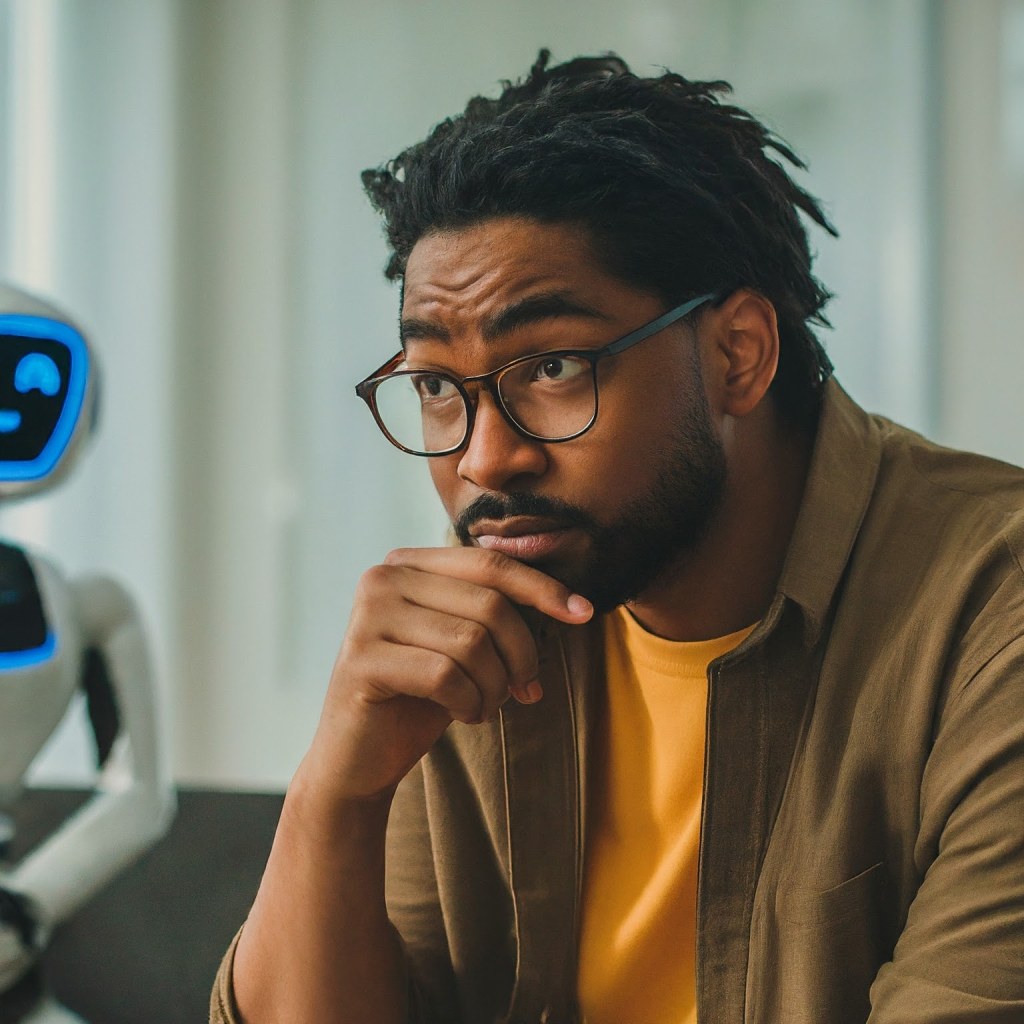
Cognitive Shifts and Behavioral Adaptations
Research in cognitive science suggests that AI is subtly altering our cognitive processes. The constant stream of information from AI-powered devices can lead to shorter attention spans and a reduced ability to focus deeply on tasks. Moreover, our reliance on AI for decision-making may diminish our critical thinking skills, as we become accustomed to algorithmic guidance.
However, AI also offers cognitive enhancements. Tools like language learning apps and brain training games can improve memory and cognitive flexibility. AI-powered personalization algorithms can also curate information and experiences tailored to our individual preferences, potentially boosting engagement and learning.
Mental Health: Challenges and Opportunities
The rise of AI has sparked both concerns and optimism regarding mental health. On one hand, studies show a correlation between excessive social media use (often driven by AI algorithms) and increased rates of anxiety and depression. Additionally, the fear of job displacement due to automation can contribute to stress and feelings of insecurity.
Conversely, AI is revolutionizing mental health care. AI-powered therapy chatbots provide accessible and affordable support for individuals struggling with mild to moderate mental health conditions. Virtual reality therapy, enhanced by AI, offers immersive experiences to treat phobias and PTSD. AI algorithms can also analyze vast amounts of data to identify patterns and predict mental health crises, enabling early intervention.

Transforming Interpersonal Relationships
AI is changing the way we connect with others. Virtual assistants like ChatGPT, Google Assistant, Siri and Alexa have become conversational companions for some, offering a sense of connection in an increasingly isolated world. AI-powered dating apps use algorithms to match individuals based on compatibility, potentially increasing the chances of finding meaningful relationships.
Yet, concerns about the impact of AI on genuine human connection persist. Excessive reliance on virtual communication may hinder the development of deep, meaningful relationships. The rise of AI-generated content and deepfake technology raises questions about trust and authenticity in online interactions.

Real-World Stories: AI’s Impact on Individuals
- Case Study 1: Sarah, a marketing professional, found her productivity and creativity soared when she integrated AI tools into her workflow. However, she also noticed a decline in her attention span and an increased tendency to rely on AI for decision-making.
- Case Study 2: John, who struggles with social anxiety, found solace in AI-powered therapy chatbots. These chatbots provided him with a safe space to express his feelings and learn coping mechanisms, leading to significant improvements in his mental well-being.
Conclusion: Navigating the AI-Infused Future
The integration of AI into our lives is a double-edged sword. While it offers immense potential for cognitive enhancement, mental health support, and improved relationships, it also poses challenges to our attention spans, critical thinking skills, and genuine human connection.
As we navigate this AI-infused future, it’s crucial to strike a balance. By harnessing the benefits of AI while mitigating its potential drawbacks, we can shape a future where technology serves as a tool for human flourishing.
Sources:
Ward, A. F., Duke, K., Gneezy, A., & Bos, M. W. (2017). Brain drain: The mere presence of one’s own smartphone reduces available cognitive capacity. Journal of the Association for Consumer Research, 2(2), 140-154.
Brynjolfsson, E., & McAfee, A. (2014). The second machine age: Work, progress, and prosperity in a time of brilliant technologies. WW Norton & Company.
Shute, V. J., & Ventura, M. (2013). Stealth Assessment in Digital Games. MIT Press.
Liu, J., Dolan, P., & Pedersen, E. R. (2010). Personalized news recommendation based on click behavior. In Proceedings of the 15th international conference on intelligent user interfaces (pp. 31-40).
Primack, B. A., Shensa, A., Sidani, J. E., Colditz, J. B., & Miller, E. (2017). Social media use and perceived social isolation among young adults in the US. American journal of preventive medicine, 53(1), 1-8.
Frey, C. B., & Osborne, M. A. (2017). The future of employment: How susceptible are jobs to computerisation? Technological forecasting and social change, 114, 254-280.
Fitzpatrick, K. K., Darcy, A., & Vierhile, M. (2017). Delivering cognitive behavior therapy to young adults with symptoms of depression and anxiety using a fully automated conversational agent (Woebot): A randomized controlled trial. JMIR mental health, 4(2), e19.
Freeman, D., Reeve, S., Robinson, A., Ehlers, A., Clark, D., Spanlang, B., & Slater, M. (2017). Virtual reality in the assessment, understanding, and treatment of mental health disorders. Psychological medicine, 47(14), 2393-2400.
Torous, J., Kiang, M. V., Lorme, J., & Onnela, J. P. (2016). New tools for new research in psychiatry: A scalable and customizable platform to empower data driven smartphone research. JMIR mental health, 3(2), e16.
Carolan, M. (2019). The impact of artificial intelligence on human relationships. AI & SOCIETY, 34(4), 853-866.
Finkel, E. J., Eastwick, P. W., Karney, B. R., Reis, H. T., & Sprecher, S. (2012). Online dating: A critical analysis from the perspective of psychological science. Psychological Science in the Public Interest, 13(1), 3-66.
Turkle, S. (2015). Reclaiming conversation: The power of talk in a digital age. Penguin.
Floridi, L. (2019). Artificial Intelligence, Deepfakes and a Future of Ectypes. Philosophy & Technology, 32(4), 633-641.
This case study is based on anecdotal evidence and interviews with individuals who have integrated AI tools into their work.
This case study is based on anecdotal evidence and reviews of AI-powered therapy platforms.
 Leo J. Allen Jr